Run for your life. Run for research.
Run or walk 3km a day to support life-saving medical research.
NOVEMBER 2026
483
FUNDRAISERS
$24,048
RAISED
3,029 kms
COMPLETED
FUNDRAISING PRIZES

how it works

Register
Sign up here (it's free!) and join hundreds of Aussies taking on 3km a day this November. Get fit, have fun, and raise funds.

Walk or Run
This November challenge yourself to run or walk 3km a day at a time, place and space that suits you. Register here!

Make a difference
You’ll raise vital funds to help Australia’s best medical researchers defeat cancer, conquer heart disease and beat diabetes.
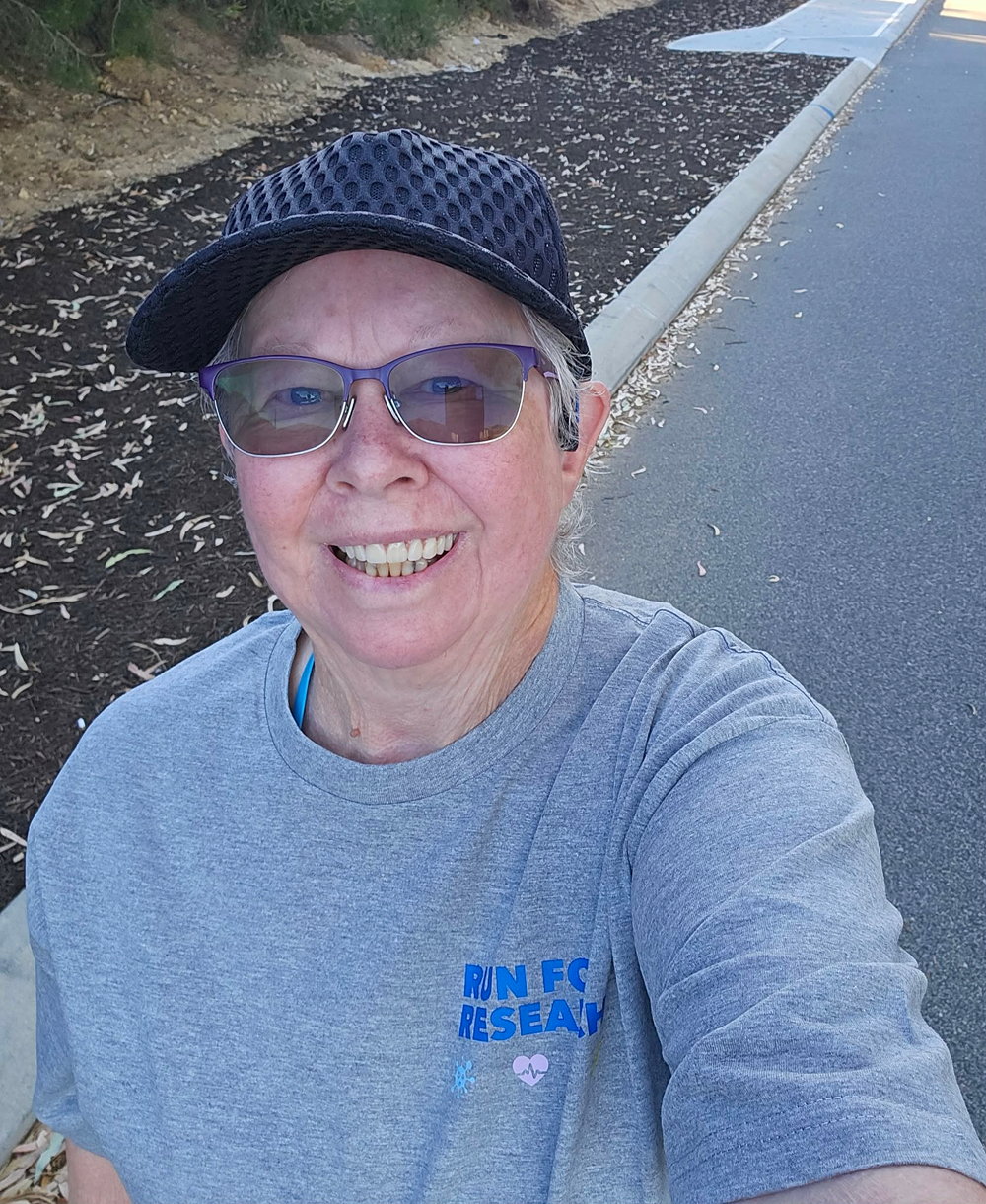
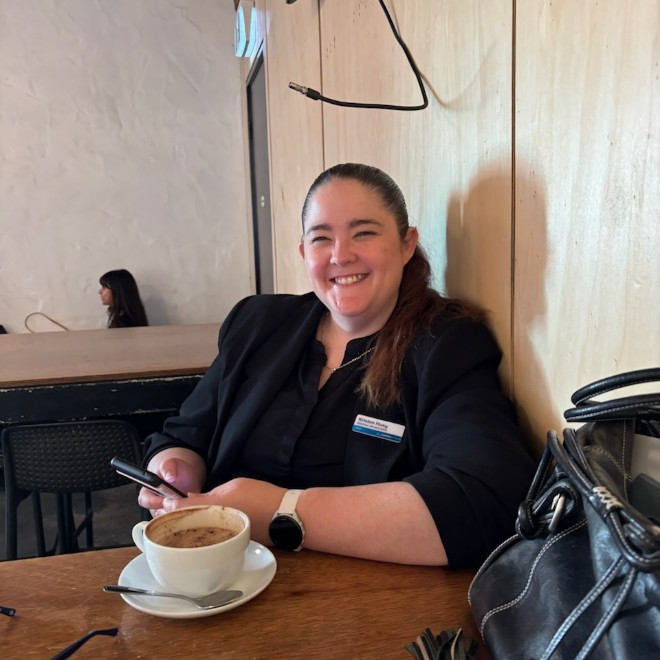
Steph's Story
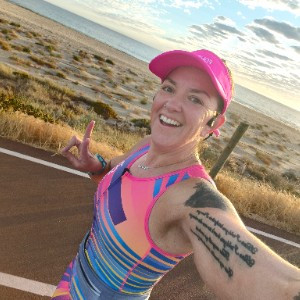
Steph is a bit of a Run for Research legend and has taken part every year since the event began in 2023.
“It started with something I couldn’t feel. In February 2022, a routine mammogram picked up a lump hidden deep in my breast. What followed was two surgeries, chemotherapy, and 15 rounds of radiotherapy. This was followed by a further 6 months of treatment.
None of it was easy. But behind every treatment was something incredibly important - research. Research gave me access to treatments, knowledge, and hope during the hardest period of my life, which is why supporting the Perkins means so much to me.
Recovery has also been a journey. In early 2023, I could only walk about 200 metres. Now, my morning walks stretch to 6 kilometres, a quiet celebration of my resilience and how far I’ve come. Run for Research has connected me with an incredible support network through the Perkins Run for Research Facebook group, it continues to inspire me every day.”
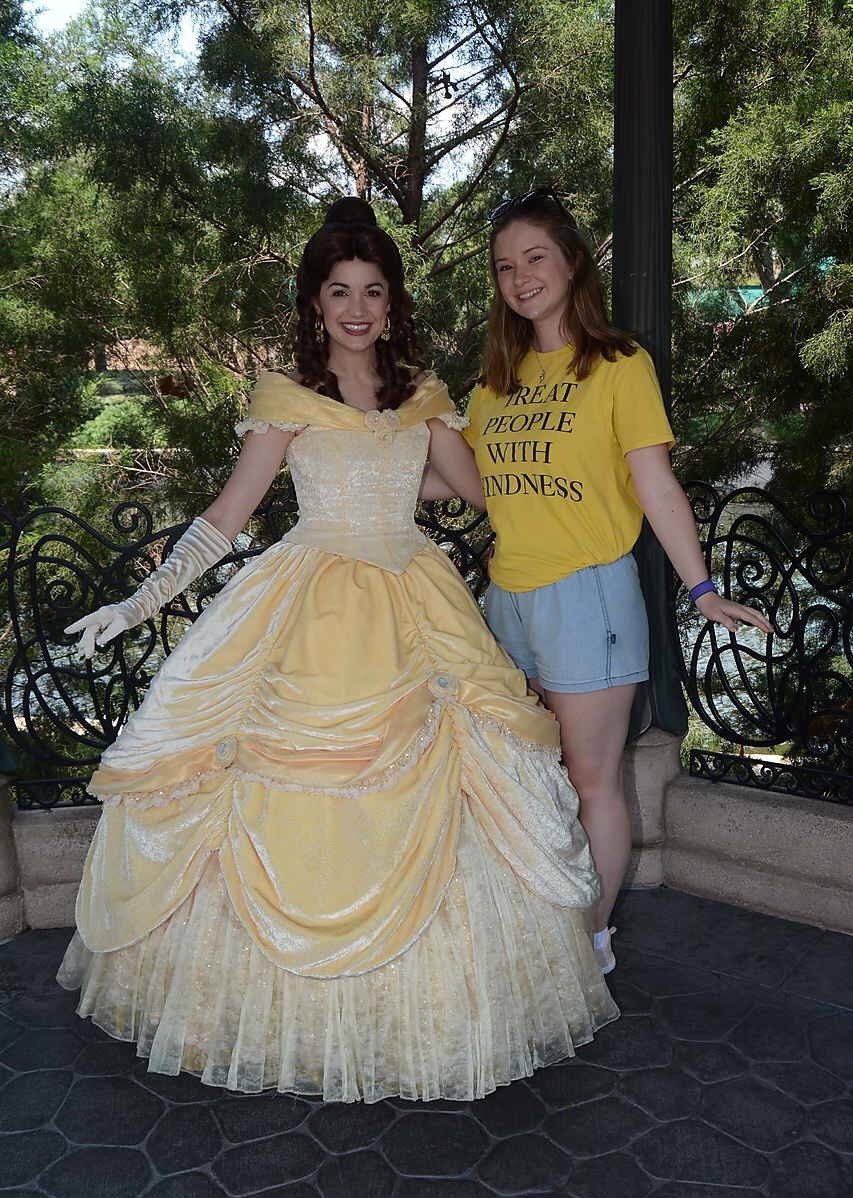
KAYLA'S STORY
Kayla was a beautiful soul with a huge heart. From the age of five, giving back was already important to her, she started raising money for charity and helping others wherever she could.
At just 11 years old, Kayla was diagnosed with lichen sclerosus, a chronic condition linked to an increased risk of vulval cancer if left untreated. Tragically, this risk was not properly explained to her or her family. Years later, after experiencing ongoing pain around her vulva, doctors discovered she had vulval cancer, a rare disease diagnosed in only around 420 Australian women each year.
Not long after her diagnosis, Kayla learned that the cancer had spread to other parts of her body. Despite the devastating news, she chose to focus on living life to the fullest and making everyday count. One of her happiest moments was marrying her childhood sweetheart, Nic, in a small ceremony held in her grandfather’s backyard.
Kayla remained positive, courageous and determined right up until her passing in January 2023 at just 23 years old. Her story highlights the urgent need for greater awareness, education, and medical research into rare cancers like vulval cancer.
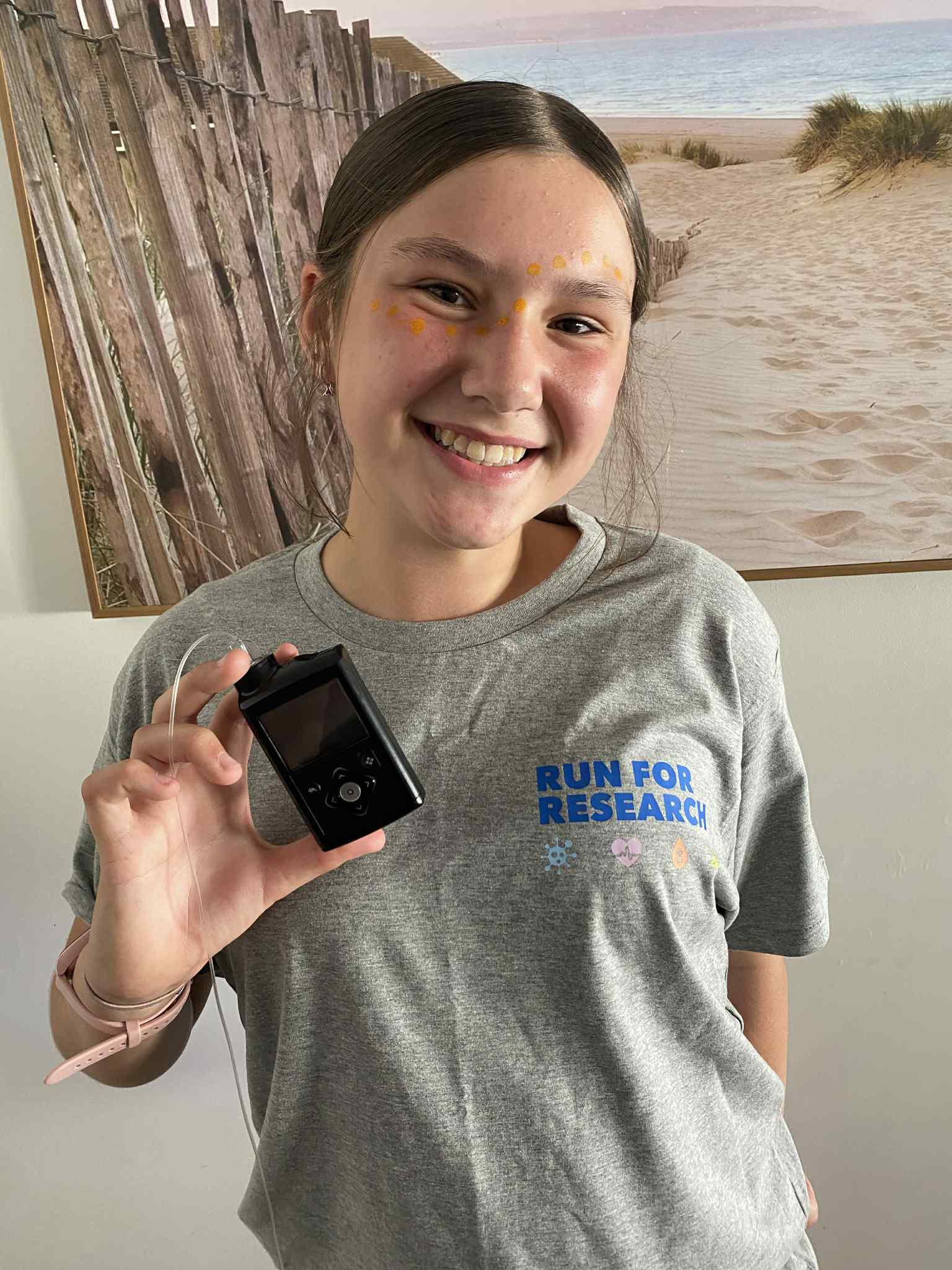
HUNTAH'S STORY
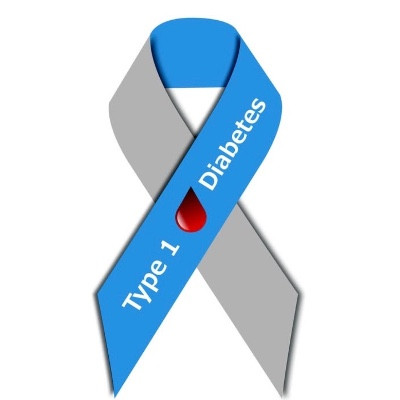
Huntah, is 13 years old and was diagnosed with type 1 diabetes on 11 July 2025 - her whole life changed overnight.
“I’m healthy, active and love sport. I play netball, enjoy volunteering, and before my diagnosis I never imagined I could develop diabetes. A lot of people think diabetes is caused by eating too much sugar or not exercising enough, but type 1 diabetes is an autoimmune condition, it can happen to anybody, at any age.
Living with type 1 diabetes means constant finger pricks, monitoring blood sugar levels, and thinking carefully about food, exercise and insulin every single day. It can be exhausting. I want people to better understand what living with this condition is really like.
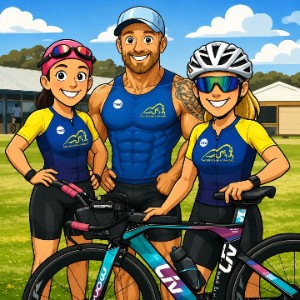
That’s why I’m participating in Run for Research, with my mum Tayla, and friends Charlotte and Grace by my side. Last year, our team raised a huge $1,530 and I completed 131km during the challenge.
Please help support research into type 1 diabetes and other conditions by signing up and joining us this year. Thank you so much for your support.”

DAYNA'S STORY
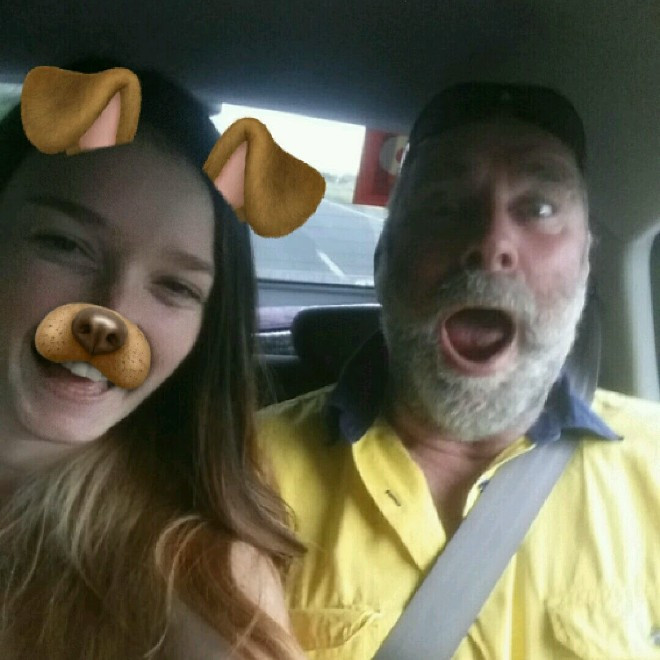
For a number of years, Dayna has been passionately advocating for research into heart disease - Australia’s biggest killer.
“In 2019, my father passed away suddenly while out mountain bike riding. He was 70 years old, incredibly active, fit and full of life, and then without warning, his heart suddenly stopped. Our family changed forever.
Just four years later, we faced heart disease again when my mum suffered a severe heart attack. Thankfully, she survived, but it was another frightening reminder of how devastating heart disease can be and how quickly lives can change.
Since then, I’ve become deeply passionate about supporting the Perkins and the incredible work they are doing to better understand, prevent and treat heart disease. Research is already saving lives and improving outcomes for so many families, but there is still so more that needs to be done.
My hope is that through continued medical research and greater awareness, we can find better ways to prevent heart disease and stop more families from losing loved ones far too soon. Supporting heart research means giving families hope and more time together.”
RESEARCH YOU'RE MAKING POSSIBLE

Cancer
Almost 1 in 2 Australians will get cancer.
You’re powering the detection for the hardest to treat cancers including breast, brain, melanoma, ovarian, liver and more.
BUZZ OFF CANCER
Dr Edina Wang and the Perkins Cancer Epigenetics team are continuing their groundbreaking work into the use of honeybee venom as a powerful anti-cancer treatment.
Honeybee venom can kill breast cancer cells, while leaving normal healthy cells essentially unaffected.
The Perkins team went on to synthesise a key component in the venom called melittin, which now allows them to continue their studies without harming honeybee populations.
In addition to breast cancer studies, Dr Edina Wang and the team are now testing targeting ovarian cancer with the melittin and have found that it is extremely effective, with a six-fold improvement in anti-cancer outcomes.
Heart Disease
Every 12 minutes, heart disease kills a fellow Aussie.
Your support is beating our nation’s biggest killer by funding research that predict heart attacks and creates heart valves that never need replacing.
3D Printed Heart Valves
Prof Elena de Juan Pardo’s T3mPLATE lab team of researchers have developed a replacement heart valve that could revolutionise the options available for people with heart disease.
These 3D printed heart valves exquisitely and intricately mimic a human heart valve, and can be inserted using TAVI, or trans-catheter aortic valve implementation, a type of keyhole surgery.
The valves are made using a special biopolymer, so they are likely to last longer than mechanical replacement valves, or replacement valves derived from animal tissue.
What does this mean for patients? No more open-heart surgery, much quicker recovery times and a replacement heart valve that could last a lifetime!
Diabetes
Almost 1.9m Aussies live with diabetes.
You’re supporting research that will improve and one day hopefully prevent diabetes, helping patients avoid devastating outcomes such as amputations.
Tracking and preventing diabetes
Type 1 diabetes doesn’t just happen, it develops over time. And for the first time, we’re learning how to predict it before it begins.
Professor Morahan’s groundbreaking research is uncovering the hidden genetic signals behind type 1 diabetes. By studying families and tracking at-risk children from pregnancy through childhood, his team is revealing why the condition starts and how we might stop it.
Now, using powerful new genetic tools, they can identify who is at high risk long before symptoms appear. This opens the door to earlier intervention, better treatments, and hopefully one day, prevention. It’s a major leap toward changing lives of those affected by type 1 diabetes.
Rare Diseases
Approximately 1 in 12 people are impacted by a rare disease.
There are more than 7,000 known rare diseases and you’re funding ways to develop new treatments and find answers.
THE GENE HUNTERS!
Prof Gina Ravenscroft and her team at the Perkins dedicate their working lives to helping families find answers to rare genetic diseases.
For people living with a rare disease, the wait for a diagnosis can be agonising - often taking longer than five years. For families with children with rare diseases, they can't wait that long - around 30% of these children won't reach their fifth birthday.
Gina and her team work tirelessly to find the genetic mutation that causes such diseases. Once we know the cause, they can get to work on understanding the disease and investigate ways to treat it, or hopefully even cure it.